
Managing Hay Fever in Children: Tips for Parents, Teachers and Caregivers
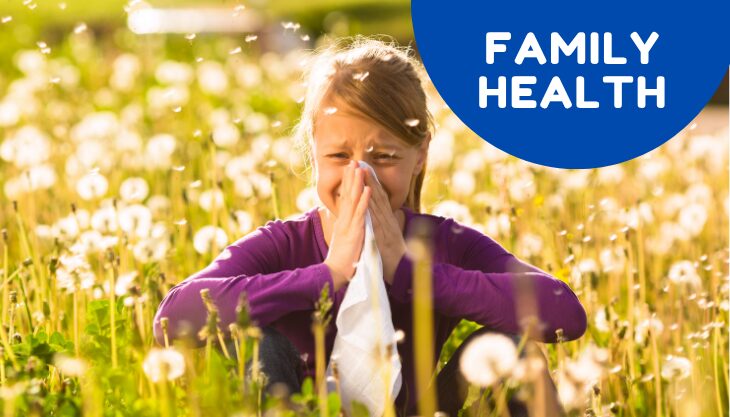
Summer brings longer days, outdoor adventures and plenty of opportunities for family fun. However, for many people, it also brings the unwelcome arrival of hay fever.
Hay fever, also known as seasonal allergic rhinitis, affects around one in five children in the UK. While it isn’t contagious, it can make children feel miserable and can impact their sleep, concentration and enjoyment of everyday activities.
What is Hay Fever?
Hay fever is an allergic reaction to pollen, usually from grass, trees or weeds. When pollen is breathed in, the body’s immune system mistakenly identifies it as harmful and releases chemicals such as histamine, causing allergy symptoms.
Hay fever is most common during spring and summer when pollen counts are highest.
Signs to Look Out For
Children with hay fever may experience:
- Frequent sneezing
- A runny or blocked nose
- Itchy nose, throat or ears
- Red, itchy or watery eyes
- Headaches
- Tiredness and poor sleep
- Difficulty concentrating at school
Symptoms can sometimes be mistaken for a common cold, but hay fever usually lasts for weeks or months and does not cause a high temperature.
Tips for Parents, Grandparents and Caregivers
While it’s impossible to avoid pollen completely, there are simple steps that can help reduce exposure:
- Check the Pollen Forecast – on days when pollen counts are high, consider planning indoor activities or visiting places with lower pollen levels.
- Keep Windows Closed – Try to keep windows and doors shut during peak pollen times, especially early morning and evening.
- Change Clothes After Outdoor Play – Pollen can cling to clothing, hair and skin. Changing clothes and washing hands and faces after being outside can help reduce symptoms.
- Sunglasses Can Help – Wraparound sunglasses can reduce the amount of pollen reaching children’s eyes.
- Dry Laundry Indoors – Avoid drying clothes and bedding outside during high pollen periods, as pollen can collect on fabrics.
- Shower Before Bed – A quick shower and hair wash before bedtime can remove pollen and help children sleep more comfortably.
Supporting Children at School and Nursery
Teachers and childcare providers play an important role in helping children manage hay fever. Simple measures such as allowing children access to tissues, encouraging hand washing after outdoor activities and being aware of symptoms can make a big difference. Children who are tired from disturbed sleep may also need extra understanding and support with concentration.
If a child regularly experiences severe symptoms, parents should ensure the school or setting is aware and understands any treatment they may be taking.
When to Seek Advice
If hay fever symptoms are affecting your child’s sleep, schoolwork or enjoyment of everyday activities, it is worth seeking professional advice. Many effective treatments are available, including antihistamines, nasal sprays and eye drops. Starting treatment before symptoms become severe can often provide the best results.
Pharmacy First: Expert Help Without a GP Appointment
Did you know that your local community pharmacy can provide advice and support for hay fever symptoms?
Under the NHS Think Pharmacy First service, pharmacists can offer expert guidance on managing common conditions and recommend suitable treatments. They can also advise when symptoms may need further medical assessment.
If your child is struggling with hay fever this summer, pop into your local pharmacy and speak to the pharmacist. It’s a convenient way to get help quickly and keep your family enjoying everything summer has to offer.